

Southern Patagonia in Fall and Spring: The best time to explore Magallanes without the crowds
The end of the world takes on a completely different look during the shoulder seasons. Fewer tourists, changing landscapes, incredible colors, and more authentic experiences make fall and spring some of the best times to visit Patagonia.
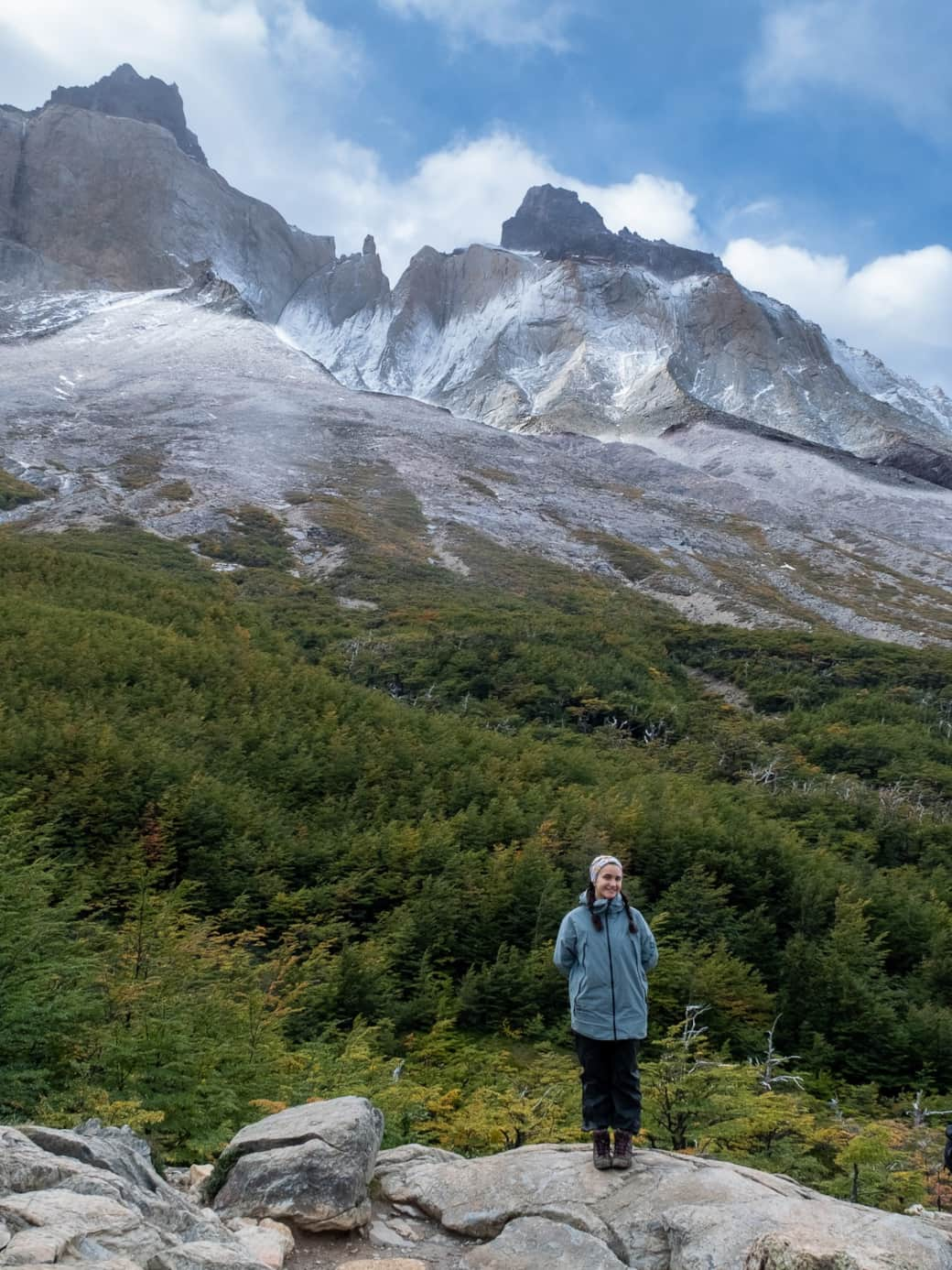
Everyone comes in the summer. The most adventurous travelers discover Patagonia in the fall and spring.
When you start planning your trip, the most recommended dates tend to fall during the high season: from December to March. And for good reason. The days have up to 17 hours of daylight, temperatures can reach 20°C, and the risk of bad weather is low. However, this popular season comes at a cost: the trails are crowded, accommodations are at full capacity, rates are higher, and there are lines at every attraction.
What few people know is that the good weather extends into the shoulder seasons—the off-peak months—and it is precisely then that Patagonia reveals its best side. The landscapes remain breathtaking, but with colors and textures that summer doesn’t offer. With fewer tourists, Patagonia reveals itself more freely: pumas come down from the mountains, guanacos cross the roads at their leisure, and condors take advantage of the new winds to soar. For families and independent travelers, too, the best deals on lodging, tours, and camping become available.While thousands of people hike the same trails in summer, fall and spring allow you to discover a quieter, wilder, and much more intimate Patagonia.

¿What are the shoulder seasons in Patagonia?
They are the transition seasons between high season and low season:
Spring: September, October and November
Autumn: March, April and May
Fall in Patagonia: A spectacle of color
I’d go so far as to say that fall is my favorite season of the year. The landscape is tinged with shades of yellow and red that contrast with the first snows on the mountains, creating a priceless postcard-perfect scene.The days gradually grow shorter, the summer breeze dies down, and light showers begin to appear. Far from dimming the landscape, the clouds transform every sunrise and sunset into a spectacle of light and color that is less intense in the height of summer.
With fewer visitors on the trails, pumas descend from the heights with greater confidence and roam the park’s paths with ease, significantly increasing the chances of a chance sighting.
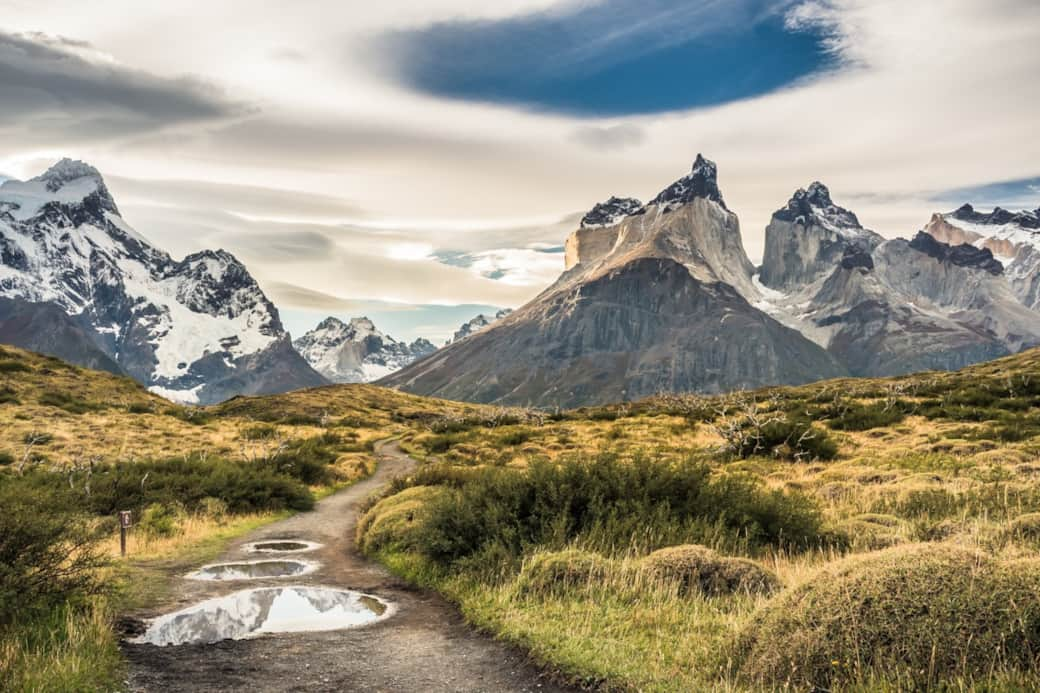

On the estancias (ranches), autumn brings with it the trashumancia, the seasonal migration of sheep flocks from high-altitude summer pastures to lowland winter grazing grounds, guided by baqueanos (herdsmen) and their dogs. It is one of the oldest practices in Patagonian livestock farming, still very much alive in both Chile and Argentina, that continues to set the rhythm of life on the estancias on both sides of the Andes. Witnessing thousands of sheep moving across the autumnal landscape is one of those scenes that defines what it means to inhabit this territory.
Autumn also stirs the forest undergrowth. As humidity rises and temperatures fall, dozens of native fungal species emerge among the lenga and ñirre trees, ranging from the striking digüeñes and changle to varieties that have been gathered by indigenous peoples for centuries. For those who observe closely, the floor of the Patagonian forest in autumn is a fascinating world.
Spring: when the extreme south wakes up
Spring in the far south begins in September, with the first thaws in the mountains, new growth in the forests, and meadows blooming with native orchids and wildflowers. Every season holds its own unique charm, and this one is no exception.With fewer tourists in the park, you might come across the tracks of pumas and their cubs in the snow, or spot huemules, South Andean deer, that remain hidden deep within the dense forest during the summer. The golden rule: keep your distance and respect their habitat, as many animals emerge in search of food following the winter.
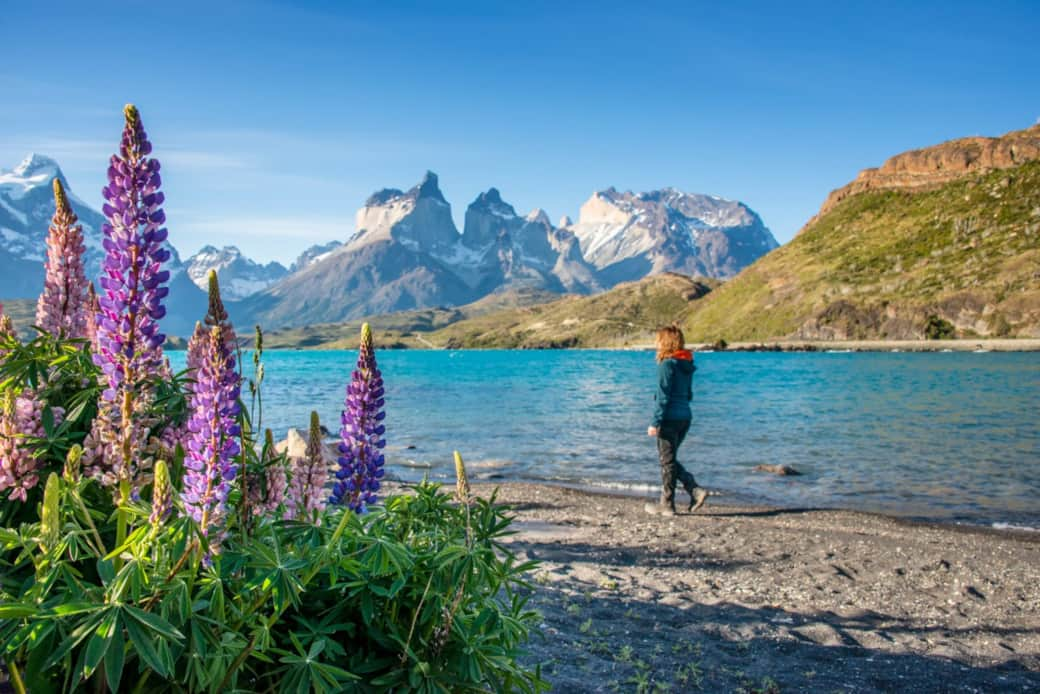
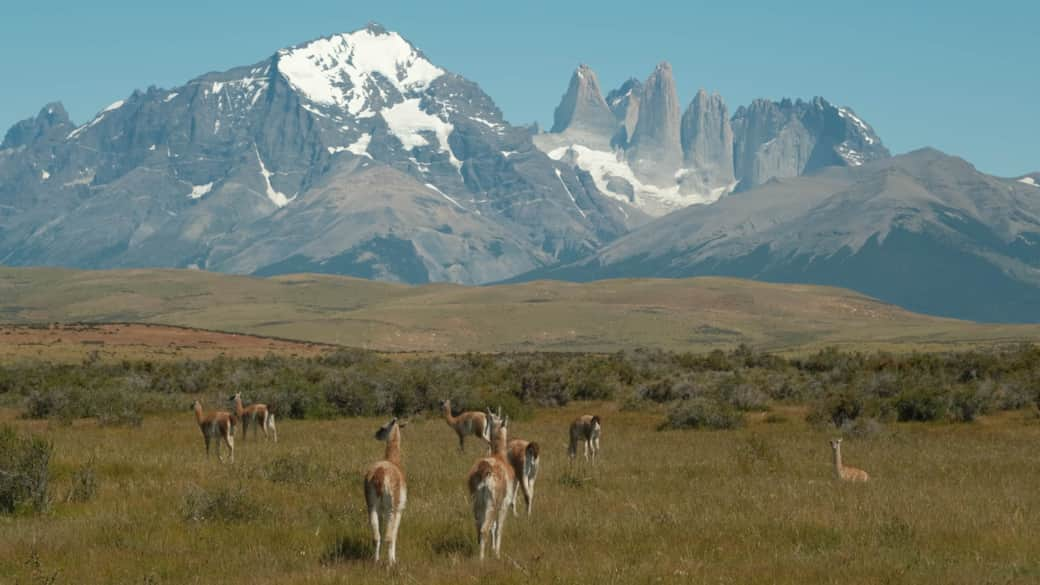
Alongside pumas and huemul deer, one finds guanacos grazing on the grasslands, rheas, foxes, condors soaring through the southern skies, and waterfowl such as the black-necked swan. More than 100 species converge in this ancient landscape, within a park that encompasses over 14 ecosystems and 270 plant species.
Spring also brings more light. The days grow longer with each passing week, opening an increasingly generous window for excursions, photography, and that particular kind of slow-unfolding sunset found only in the southern reaches of Patagonia.
La Patagonia tiene más de una cara. Esta es la mejor.
El verano tiene su encanto, no hay duda. Pero hay algo que el otoño y la primavera ofrecen y que ningún mes estival puede igualar: la sensación de que el lugar es tuyo.
Menos gente en los senderos significa más silencio, más encuentros con la fauna, más conversaciones con guías que tienen tiempo para detenerse. Los precios bajan, la calidad de la experiencia sube, y los paisajes, con su paleta de colores cambiante, sus cielos cargados y su luz lateral, son simplemente distintos, y en muchos sentidos, más hermosos.
Si estás pensando en venir a Puerto Natales y la zona de Magallanes, la mejor recomendación que podemos darte es esta: no esperes al verano. Ven en abril cuando las lengas y ñirres están en llamas, o en octubre cuando los primeros brotes le devuelven el verde a la estepa. Vas a encontrar una Patagonia que la mayoría nunca llega a conocer.